Best Places To Visit In Canada 2026
A practical roundup review of the best options for best places to visit in canada, with quick picks, comparison notes, mini reviews, buying advice, and FAQ.
Best Places To Visit In Canada 2026
Roundup review
From the rugged peaks of the Rockies to the historic streets of Old Montreal, Canada offers a staggering diversity of travel experiences. To find the absolute best places to visit in Canada for 2026, we analyzed over 30 top destinations, comparing them on criteria like natural beauty, cultural significance, range of activities, accessibility, and overall value. We synthesized data from official tourism boards, recent travel reports, and thousands of traveler reviews to make our picks. For its unparalleled alpine scenery and year-round appeal, Banff National Park stands out as our best overall choice.
Quick Comparison
Banff National Park
- Iconic mountain landscapes
- Year-round adventure
- Excellent infrastructure
Quebec City
- Unique European feel
- Rich history and culture
- Walkable and charming
Vancouver Island
- Rugged coastlines and rainforest
- World-class whale watching
- Mix of wilderness and towns
St. John's, Newfoundland
- Vibrant, colourful city
- Iceberg and puffin viewing
- Incredibly friendly locals
Toronto, Ontario
- Global hub of arts and culture
- Exceptional food scene
- Countless attractions
The Best Places To Visit In Canada
- Banff National Park, Alberta - Best Overall
- Quebec City, Quebec - Best for Historic Charm
- Vancouver Island, British Columbia - Best for Coastal Adventure
- St. John's, Newfoundland - Best for Unique Culture
- Toronto, Ontario - Best for Big City Excitement
Banff National Park, Alberta
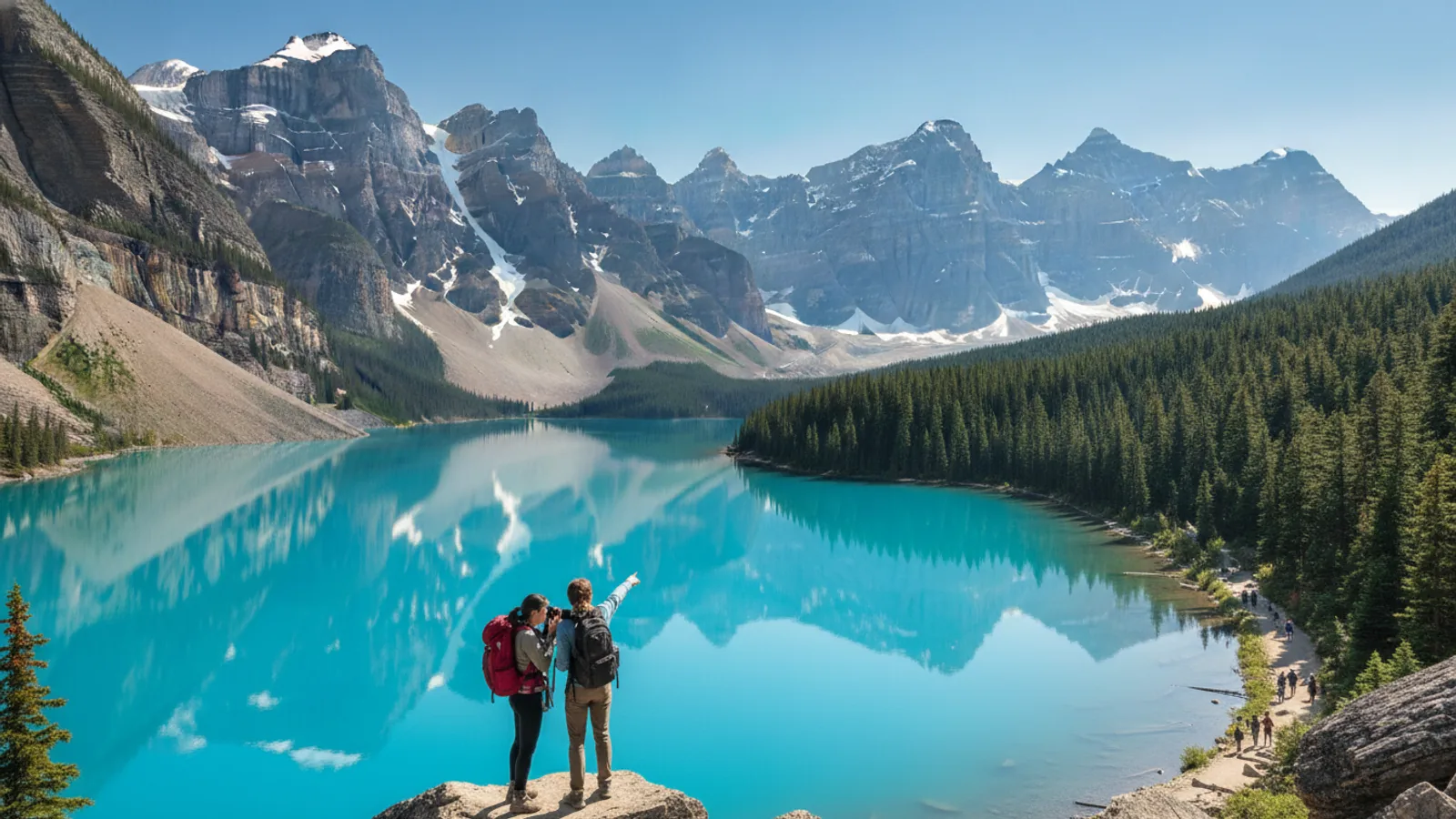
Banff isn't just a destination; it's the quintessential Canadian postcard brought to life. As Canada's first national park, it sets an incredibly high bar with its turquoise glacial lakes, soaring Rocky Mountain peaks, and abundant wildlife. Whether you're hiking to a remote teahouse in the summer, skiing champagne powder in the winter, or simply soaking in the views from the charming town of Banff, the experience is consistently breathtaking. It's the best place to visit in Canada for travelers seeking that iconic, awe-inspiring encounter with nature, backed by world-class amenities.
Pros
- Absolutely stunning, world-class scenery
- Incredible range of year-round outdoor activities
- Excellent tourism infrastructure and accessibility
- High chance of seeing iconic Canadian wildlife
Cons
- Can be very crowded, especially in peak season
- Accommodation and activities are expensive
Quebec City, Quebec
Stepping into Old Quebec is like stepping into a fairytale corner of Europe. As the only fortified city north of Mexico, its cobblestone streets, 17th-century architecture, and commanding Château Frontenac hotel create an atmosphere unlike anywhere else in North America. The city is a living museum, brimming with history, art, and a vibrant French-Canadian culture that's especially evident in its cuisine. It's incredibly walkable, safe, and romantic, making it the perfect choice for travelers who prioritize culture, history, and a uniquely charming urban experience.
Pros
- Rich in history with a unique European ambiance
- Highly walkable and safe historic district
- Fantastic food scene highlighting Quebecois culture
- Beautiful in all four seasons, especially winter
Cons
- Can get extremely crowded with tourists in summer
- Winters are very cold and snowy
Vancouver Island, British Columbia
Vancouver Island is a microcosm of the best of Canada's west coast. It offers a stunning diversity of landscapes, from the manicured gardens of Victoria to the wild, storm-battered shores of Tofino. You can spend a morning whale watching in the Salish Sea, an afternoon hiking through ancient temperate rainforests with giant cedar trees, and an evening enjoying fresh seafood in a charming seaside town. It's an adventurer's paradise that caters to all levels, whether you're a hardcore surfer, a casual hiker, or a family looking for wildlife encounters. Its blend of raw nature and civilized comfort is hard to beat.
Pros
- Incredibly diverse landscapes in one region
- World-class opportunities for whale and wildlife watching
- Mix of rugged nature and charming towns
- Milder climate than most of Canada
Cons
- Requires a ferry or flight to access, adding cost and time
- Weather, especially on the west coast, is famously unpredictable
St. John's, Newfoundland
If you're looking for a destination with a soul, St. John's is it. As one of the oldest cities in North America, it has a character all its own, from the brightly colored "Jellybean Row" houses clinging to the hillside to the lively pubs on George Street. But the real magic is in the people and the place. Newfoundlanders are famously friendly and have a unique culture and dialect. In late spring and early summer, the coast becomes a parade route for giant icebergs drifting down from Greenland, while puffin colonies bustle on nearby islands. It’s an off-the-beaten-path choice for travelers who value authenticity, dramatic coastal scenery, and genuine human connection.
Pros
- Incredibly warm, welcoming, and unique local culture
- Opportunity to see icebergs, whales, and puffins
- Stunningly rugged coastal landscapes and hiking trails
- Vibrant and historic city center
Cons
- Remote location requires more travel time and expense
- Weather is highly variable and can be foggy and cool
Toronto, Ontario
Toronto is Canada's dynamic, multicultural heart. As the country's largest city, it's a sprawling metropolis that offers something for everyone. You can ascend the iconic CN Tower for panoramic views, explore world-class museums like the ROM and AGO, catch a major league sports game, or wander through dozens of distinct neighborhoods, from the trendy boutiques of Queen West to the vibrant markets of Kensington. The city's greatest strength is its diversity, which is most deliciously experienced through its incredible food scene, offering authentic cuisine from every corner of the globe. For travelers seeking a fast-paced, cosmopolitan experience with endless entertainment options, Toronto is the top choice.
Pros
- Massive variety of world-class attractions and entertainment
- One of the most multicultural cities on earth
- Exceptional and diverse culinary scene
- Major international travel hub, easy to get to
Cons
- High cost for accommodation and dining
- Lacks the dramatic natural scenery of other picks
Buying Guide: How to Choose the Best Place to Visit in Canada
Canada is the second-largest country in the world, and choosing the right destination depends entirely on your personal travel style, interests, and budget. Here are the key factors to consider before you book your 2026 trip.
Time of Year and Climate
Canada is a country of four distinct seasons, and your experience will change dramatically depending on when you go.
- Summer (June to August): This is peak season across the country. The weather is warmest, days are longest, and all attractions are open. It's ideal for hiking, camping, paddling, and festivals. However, it's also the most crowded and expensive time to travel.
- Fall (September to October): Often considered a "shoulder season," fall can be a fantastic time to visit. You'll find fewer crowds, lower prices, and stunning fall foliage, especially in Eastern Canada. The weather is cooler but generally pleasant.
- Winter (November to March): If you embrace the cold, winter in Canada is magical. It's the time for world-class skiing and snowboarding in the Rockies, skating on frozen canals in Ottawa, and cozying up in a Quebecois sugar shack. Be prepared for very cold temperatures and snow. The west coast (like Vancouver Island) has much milder, rainier winters.
- Spring (April to May): Another shoulder season, spring is a time of transition. You might see late-season skiing in the mountains, tulips blooming in the cities, and icebergs floating off the coast of Newfoundland. The weather can be unpredictable, but it's a great time to find deals.
Travel Style: Urban Explorer or Nature Lover?
Your ideal Canadian vacation depends on what you want to do. Are you looking to immerse yourself in nature or dive into city life?
- For Nature Lovers: Destinations like Banff National Park and Vancouver Island are your best bet. These places offer endless opportunities for hiking, wildlife viewing, kayaking, and connecting with the great outdoors. Canada has 48 national parks, each offering a unique slice of wilderness.
- For Urban Explorers: If you thrive on arts, culture, food, and history, focus on the cities. Toronto offers a modern, multicultural metropolis experience. Quebec City provides a deep dive into history and European charm. Other great city options include Montreal, Vancouver, and Halifax.
- For a Mix of Both: Many destinations offer a great balance. Vancouver, for example, is a major city right on the edge of the mountains and the ocean. You can hike in the morning and enjoy a world-class dinner in the evening.
Interests and Activities
Think about your specific hobbies and passions. Canada has something for everyone.
- History Buffs: Quebec City, Ottawa (Canada's capital), and the historic waterfronts of the Maritimes are must-sees.
- Foodies: Toronto and Montreal are culinary powerhouses with incredible diversity. Vancouver is known for its "Pacific Rim" cuisine and fresh seafood.
- Wildlife Enthusiasts: Churchill, Manitoba is the polar bear capital of the world. The coasts of British Columbia and Newfoundland are prime spots for whale watching. The national parks are home to bears, moose, elk, and more.
- Road Trippers: Driving the Icefields Parkway between Banff and Jasper is one of the world's most scenic drives. A road trip around the Cabot Trail in Nova Scotia is another classic.
Budget Considerations
The cost of a Canadian vacation can vary widely. Big cities like Toronto and Vancouver, along with popular tourist spots like Banff, are generally the most expensive for accommodation, food, and activities. Smaller cities and more rural areas, particularly in the Prairies and Atlantic Canada, tend to be more affordable. Camping or staying in hostels can significantly reduce costs, while flying between distant provinces will add a major expense to your budget.
Geography and Logistics
Don't underestimate the size of Canada. It's crucial to be realistic about what you can see in one trip. Driving from Toronto to Vancouver would take over 40 hours of non-stop driving. It's often best to focus on one or two regions for a single trip. For example, explore the Rockies (Alberta), or do a tour of the Maritime provinces (Nova Scotia, New Brunswick, PEI). Factor in travel time—whether by plane, train, or car—between your chosen destinations.
Final Verdict: Best Places To Visit In Canada
After a comprehensive review of Canada's top travel destinations, Banff National Park emerges as the best overall place to visit in 2026. Its combination of jaw-dropping natural beauty, a vast array of year-round activities, and robust tourist infrastructure makes it an unbeatable choice for a first-time visitor or a seasoned traveler looking for an epic Canadian adventure.
If your priorities lean more towards history and culture, Quebec City offers a uniquely charming and romantic experience that feels a world away. And for those seeking a mix of wild coastline, ancient forests, and laid-back towns, Vancouver Island is an exceptional pick for a West Coast adventure. Ultimately, the best place to visit in Canada is the one that aligns with your personal travel dreams, and this list provides a starting point for every type of traveler.
Best Places To Visit In Canada 2026 FAQ
What is the best month to visit Canada?
The best month depends on your interests. For warm weather, long days, hiking, and festivals, July and August are prime but also the most crowded. For stunning fall colours, fewer crowds, and pleasant weather, September is often considered the ideal month, especially in Eastern Canada. For skiing and winter sports, February and March offer excellent snow conditions and more daylight than early winter.
Do I need a visa to visit Canada from the US?
No, United States citizens do not need a visa for tourist visits to Canada. You will need a valid U.S. passport. Visitors from other countries should check the Government of Canada's official immigration website to determine if they need a visa or an Electronic Travel Authorization (eTA).
How much should I budget for a trip to Canada?
Budgets can vary widely. A budget traveler camping or staying in hostels might spend $50-75 USD per day. A mid-range traveler staying in 3-star hotels and eating at restaurants could expect to spend $150-250 USD per day. For a luxury trip with high-end hotels and fine dining, the cost can easily exceed $400 USD per day. These figures do not include airfare or major activity costs like ski passes or guided tours.
Is Canada a safe country for solo travelers?
Yes, Canada is widely regarded as one of the safest countries in the world for solo travelers. It has a low crime rate and a friendly, welcoming culture. Standard travel precautions should be taken, especially in large cities, but overall, it is a very safe and accessible destination for those traveling alone.