How To Interview People For A Photo Story
A practical step-by-step guide to how to interview people for a photo story, including preparation, instructions, common issues, tips, and next steps.
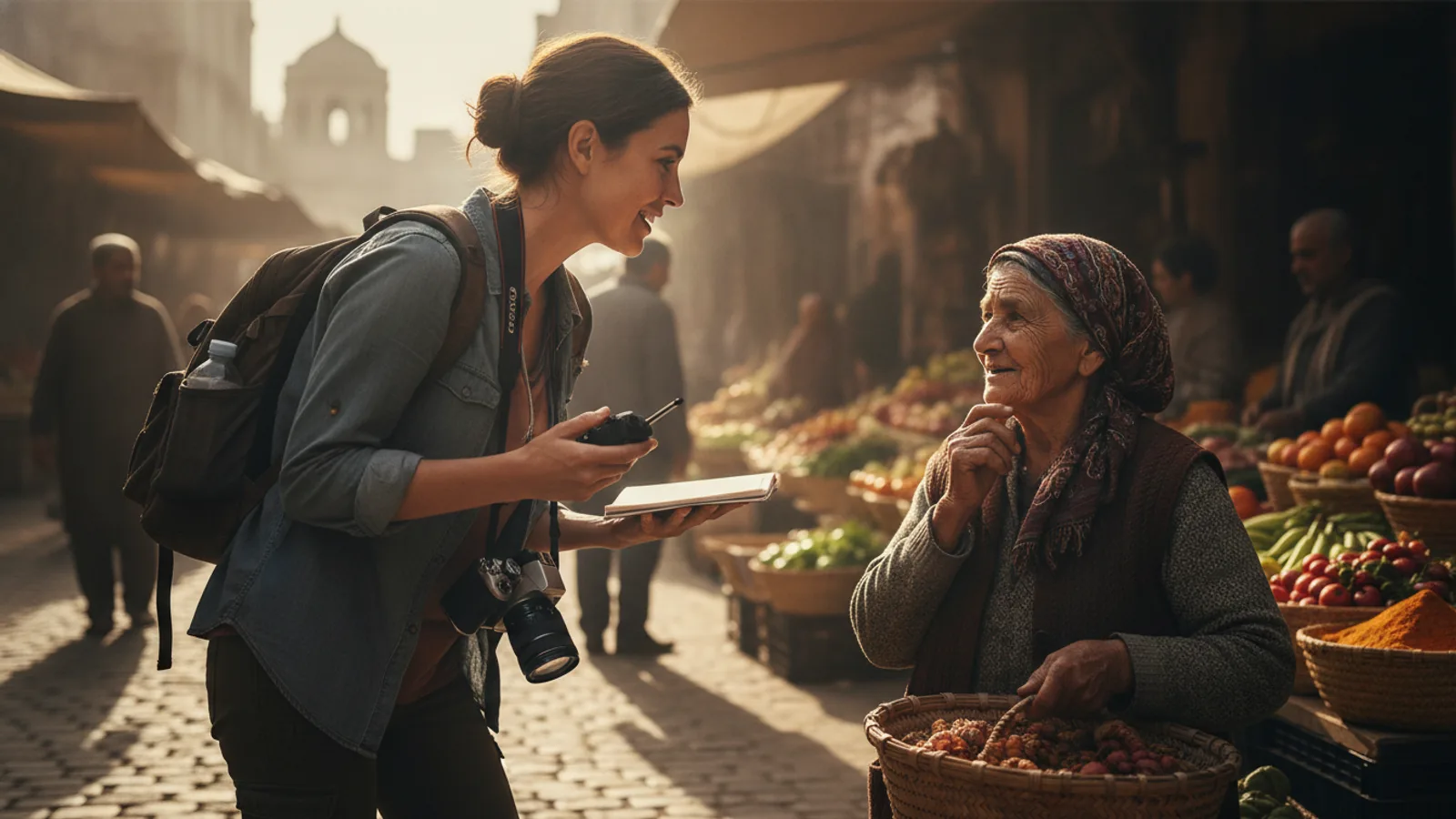
How To Interview People For A Photo Story
This guide explains how to approach how to interview people for a photo story, including the preparation, practical steps, common mistakes, and final checks that help you finish with confidence.
Before You Start
Step-by-Step Instructions
Quick Reference
Common Problems When You Interview People For A Photo Story
Even with good preparation, interviews can present unexpected challenges. Knowing how to handle these common issues can make a big difference in the quality of your gathered stories.
Problem: The person is very shy or nervous and doesn't say much.
Sometimes, people aren't used to being interviewed and might feel uncomfortable or shy. They might give very short answers or struggle to express themselves.
Problem: The person talks a lot, but strays far from your topic.
Some people love to chat, which can be great for building rapport. However, if they constantly go off-topic, you might not get the information you need for your photo story.
Problem: You only get "yes" or "no" answers.
This often happens when your questions are too closed-ended. If you ask, "Was it hard?", the answer is usually just "Yes" or "No," which doesn't give you much story material.
Problem: You forget to ask an important question.
It's easy to get caught up in the conversation and realize later you missed asking something crucial for your photo story.
Problem: Your recording device fails or your notes are messy.
Technical glitches can happen, or you might find your handwritten notes hard to read later.
Advanced Tips for How To Interview People For A Photo Story
Once you're comfortable with the basics, these advanced tips can help you get even richer, more impactful material for your photo stories.
Use Silence Strategically
Most people feel uncomfortable with silence in a conversation and will often fill it. After you ask a question, or after the subject gives an initial answer, try waiting quietly for a few seconds. Don't immediately jump in with your next question. This brief pause often encourages the subject to elaborate, add more detail, or share a deeper, more personal thought they might not have otherwise.
Ask "Why?" or "How did that feel?" with Care
These are powerful questions for getting to the heart of a story. Asking "Why did you do that?" or "How did you feel when that happened?" can unlock profound insights and emotions. However, use them gently and observe your subject's comfort level. If they seem hesitant or uncomfortable, rephrase or move on. The goal is to encourage sharing, not to push them into uncomfortable territory.
Consider Different Interview Locations
The environment where you conduct your interview can impact the mood and the stories shared. If your photo story is about a person's craft, interviewing them in their workshop might make them more comfortable and trigger specific memories related to their work. If it's about their connection to nature, an outdoor setting might be more fitting. Think about a location that feels natural to the subject and relevant to your story, and ask if they have a preference.
Practice Empathy and Active Listening
Empathy means trying to understand and share the feelings of another. When interviewing, put yourself in their shoes. Listen not just to their words, but to the emotions behind them. Show you're engaged by nodding, making appropriate eye contact, and offering verbal affirmations like "I understand" or "That must have been difficult." True active listening means you're not just waiting for your turn to speak, but you're fully processing what they're saying. This builds a strong connection and encourages deeper sharing.
Be Aware of Cultural Sensitivities
When interviewing people from different backgrounds, be mindful of cultural norms. What's considered polite or appropriate in one culture might be different in another. Research common courtesies, acceptable distances for conversation, and communication styles. For example, direct eye contact might be respectful in one culture but seen as challenging in another. Being aware and respectful of these differences is crucial for a successful and respectful interview.
Review Photos Together (Optional)
Sometimes, showing a subject a few of your photos related to their story can spark new memories or insights. For instance, if you've photographed a place they mentioned, seeing the image might prompt them to recall a specific story or feeling connected to it. Only do this if you have permission and if you feel it won't distract from the interview. It can be a powerful way to make the interview more interactive and collaborative, but ensure your focus remains on their story, not just on your pictures.
How To Interview People For A Photo Story FAQ
Here are answers to some common questions about interviewing for photo stories.
How long should an interview typically last?
The ideal length can vary greatly depending on the project and the subject's availability. For a strong photo story, aim for 30 minutes to 1 hour. Shorter interviews (15-20 minutes) can work for quick snapshots, while longer ones (over an hour) are often reserved for in-depth documentary work. Always agree on a time limit beforehand and stick to it, but be flexible if the conversation is going really well and the subject is happy to continue.
Is it okay to interrupt someone if they're rambling?
While it's important to be respectful, sometimes you need to gently redirect. Wait for a natural pause in their speech, then politely interject with a phrase like, "That's a fascinating point, and it brings me to my next question about..." or "I want to make sure we cover [your main topic] before our time is up." The key is to be polite and focused, not rude.
Should I show them my photos during the interview?
Generally, it's best to keep the focus on the verbal story during the interview. Showing photos can be distracting and might change the flow of their narrative. However, in some cases, a carefully selected photo could be a prompt to trigger a specific memory or emotion. If you choose to do this, use it sparingly and strategically. Usually, it's better to show them the finished photo story once it's complete, as part of your thank you.
What if the person asks me questions?
It's natural for subjects to be curious about you and your project. Answer their questions honestly and briefly, but then gently steer the conversation back to them. Remember, the interview is about their story, not yours. For example, "Yes, I enjoy photography very much. But I'm more interested in hearing about your journey with..."
What if I don't get the answers I was hoping for?
Not every interview will give you exactly what you expected, and that's okay. Sometimes, the unexpected details are even better. If you feel like you missed something crucial, consider if a follow-up question or even a second short interview is appropriate. If not, adapt your photo story to the material you did collect. It's about telling *their* authentic story, not forcing it into a preconceived idea.
Final Checklist for How To Interview People For A Photo Story
Use this checklist to ensure you're prepared for a successful interview and have captured all the necessary information for your photo story.
By following these steps, you'll be well-equipped to conduct compelling interviews that add depth, emotion, and context to your photo stories, making them truly impactful for your audience.