How To Photograph People In Public
A practical step-by-step guide to how to photograph people in public, including preparation, instructions, common issues, tips, and next steps.
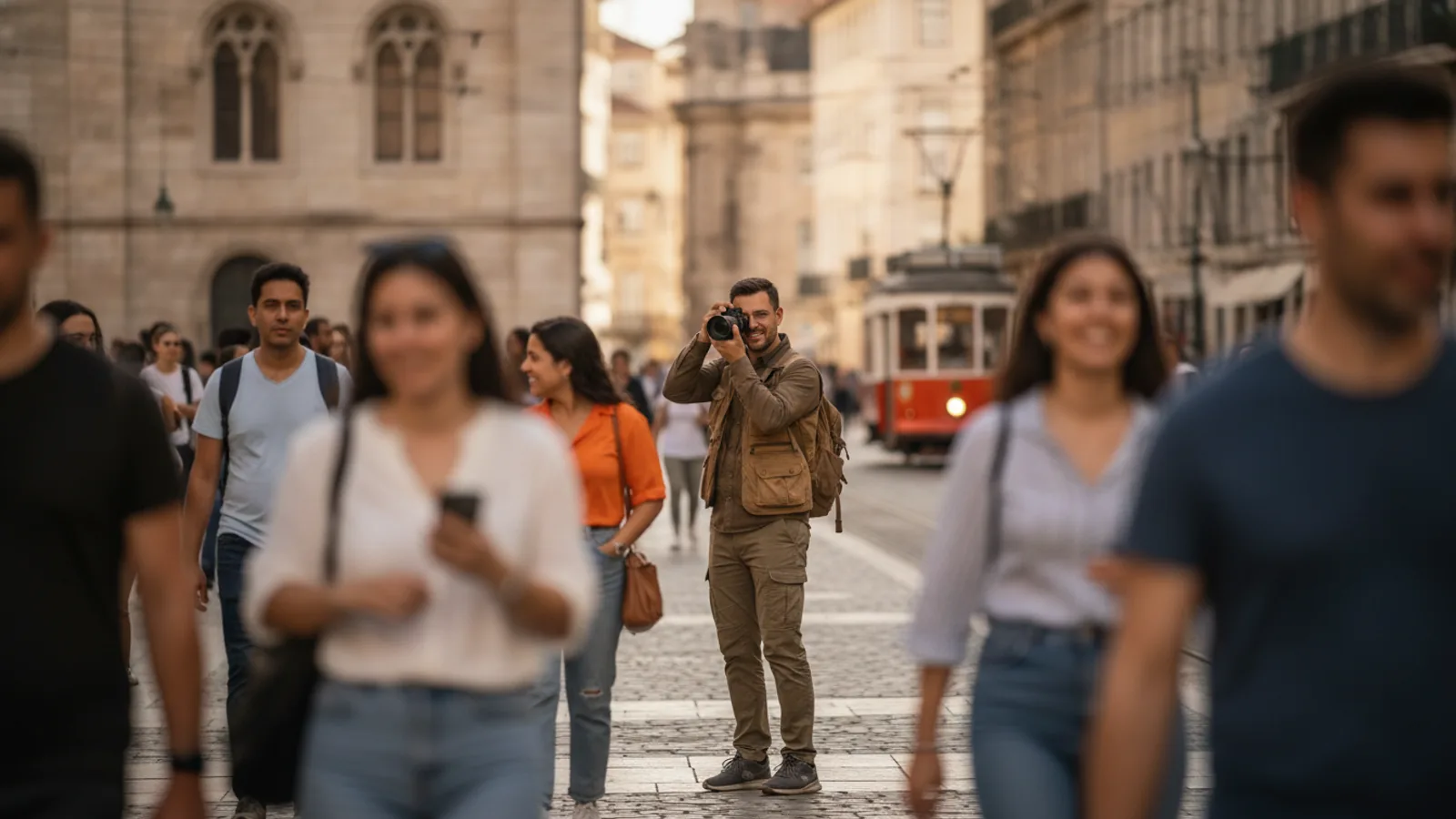
How To Photograph People In Public
This guide explains how to approach how to photograph people in public, including the preparation, practical steps, common mistakes, and final checks that help you finish with confidence.
Before You Start
Step-by-Step Instructions
Quick Reference
Common Problems When You Photograph People In Public
Advanced Tips for How To Photograph People In Public
How To Photograph People In Public FAQ
Is it legal to photograph people in public spaces?
In most countries, including the US, it is generally legal to photograph people in public spaces where there is no reasonable expectation of privacy. This typically includes streets, parks, public squares, and public events. However, laws can vary by location (state, city) and specific circumstances, so it's always wise to be aware of local regulations. Private property, even if accessible to the public (like a mall), may have its own rules.
Do I always need to ask for permission?
For candid street photography, where subjects are part of a broader scene and not the primary focus, asking for permission is often not practical or desirable if you want to capture natural moments. However, if you are focusing on an individual, especially for a close-up portrait, or if you intend to use the photo commercially, it is always best practice (and often legally required for commercial use) to ask for permission and ideally get a model release signed. When in doubt, or if you feel uncomfortable, it's safer to ask or move on.
What should I do if someone confronts me about taking their picture?
Remain calm, polite, and respectful. Apologize for any misunderstanding or discomfort you may have caused. Explain briefly and honestly that you were taking general street photos and were not targeting them personally (if true). Offer to delete the photo immediately and show them that you've done so. Never argue or be confrontational. Your priority should be de-escalation and respect for the individual's wishes.
What's the best lens for photographing people in public?
A versatile zoom lens like a 24-70mm or 70-200mm is excellent because it offers flexibility to frame shots from various distances without changing lenses. A prime lens such as a 35mm or 50mm is also popular. These primes are often smaller, less conspicuous, and their wide aperture allows for beautiful background blur and good low-light performance. The "best" lens depends on your style and how close you want to get.
How can I make my photos more interesting?
Beyond technical settings, focus on strong composition, capturing genuine emotion, and storytelling. Look for unique angles, interesting light, and unexpected juxtapositions. Anticipate moments rather than just reacting. Practice framing your shots, using leading lines, and incorporating background elements that add context without distracting from your subject. Don't just take pictures of people; capture their essence, their actions, or their interactions.
Final Checklist for How To Photograph People In Public
- Camera charged and memory card ready.
- Understood local laws and cultural norms regarding public photography.
- Planned your photography route or location, considering light and potential subjects.
- Prepared to be discreet and unobtrusive.
- Pre-set initial camera settings (Aperture Priority, appropriate ISO and shutter speed).
- Committed to respecting privacy and personal space.
- Ready to review photos critically and learn from them.
- Remember to enjoy the process of observation and creation.