Best Places To Go In Italy 2026
A practical roundup review of the best options for best places to go in italy, with quick picks, comparison notes, mini reviews, buying advice, and FAQ.
Best Places To Go In Italy 2026
Roundup review
Italy offers a destination for every type of traveler, from ancient history buffs to coastal relaxation seekers. For our 2026 guide, we researched and analyzed over 20 popular Italian destinations, evaluating them based on key criteria including attractions, food culture, accessibility, value, and overall atmosphere. After comparing public traveler feedback, transportation logistics, and the sheer breadth of experiences available, we selected Rome as the best overall place to go in Italy for its unparalleled blend of history, culture, and culinary excellence.
Quick Comparison
Rome
- Unmatched historical significance
- Vibrant food scene
- Excellent for first-time visitors
Amalfi Coast
- Breathtaking coastal views
- Charming cliffside towns
- Ideal for romantic getaways
Florence
- Heart of the Renaissance
- World-class museums
- Incredible Tuscan cuisine
Bologna
- Italy's culinary capital
- Less crowded than major hubs
- Authentic, historic city
Venice
- Iconic canal system
- Completely pedestrian city
- Romantic and mysterious
The Best Places to Go in Italy
- Rome - Best Overall
- Amalfi Coast - Best for Coastal Scenery & Romance
- Florence - Best for Art & Culture
- Bologna - Best for Foodies
- Venice - Best for a Unique Urban Experience
How We Chose the Best Places to Go in Italy
To identify the best places to visit in Italy for 2026, we conducted a comprehensive analysis based on a clear, reader-focused methodology. Our team started by compiling a list of over 20 of Italy's most prominent destinations, from major cities to renowned coastal and rural regions. We then evaluated each location against a standardized set of criteria designed to reflect the priorities of a typical US traveler.
Our five core evaluation metrics were:
- Attractions & Activities: The quantity, quality, and variety of sights, museums, tours, and experiences available. We looked for destinations with iconic landmarks as well as unique local activities.
- Food & Drink: The reputation and quality of the local culinary scene, including regional specialties, dining options at different price points, and overall food culture.
- Accessibility & Transport: The ease of arriving at the destination from major international airports and the convenience of navigating the area, whether by foot, public transit, or car.
- Value for Money: An assessment of the typical costs for accommodation, dining, and activities. We considered both budget-friendliness and whether high-end options provide commensurate quality.
- Atmosphere & Vibe: A qualitative measure of the destination's overall character, charm, and suitability for different travel styles (e.g., romantic, family-friendly, historic, relaxed).
Our final selections represent the destinations that scored highest across these categories, offering a well-rounded and exceptional experience. This guide is the result of extensive research and data synthesis, not direct, in-person testing of every location for this specific article.
Rome
Rome is our top pick for the best place to go in Italy, and for good reason. The Eternal City is a living museum, offering an unparalleled density of world-famous historical sites, from the Colosseum to the Vatican. It's the perfect destination for first-time visitors to Italy, providing a quintessential Italian experience with its blend of ancient history, vibrant street life, and a world-class culinary scene. While it can be crowded, the sheer scale and variety of what Rome offers make it a deeply rewarding destination that caters to nearly every interest and budget.
Pros
- Incredible density of iconic historical sites
- Exceptional food, from street-side pizza to fine dining
- Highly walkable central historic district
- Well-connected by air and high-speed rail
Cons
- Can be very crowded, especially in peak season
- Navigating public transport can be challenging for newcomers
Amalfi Coast
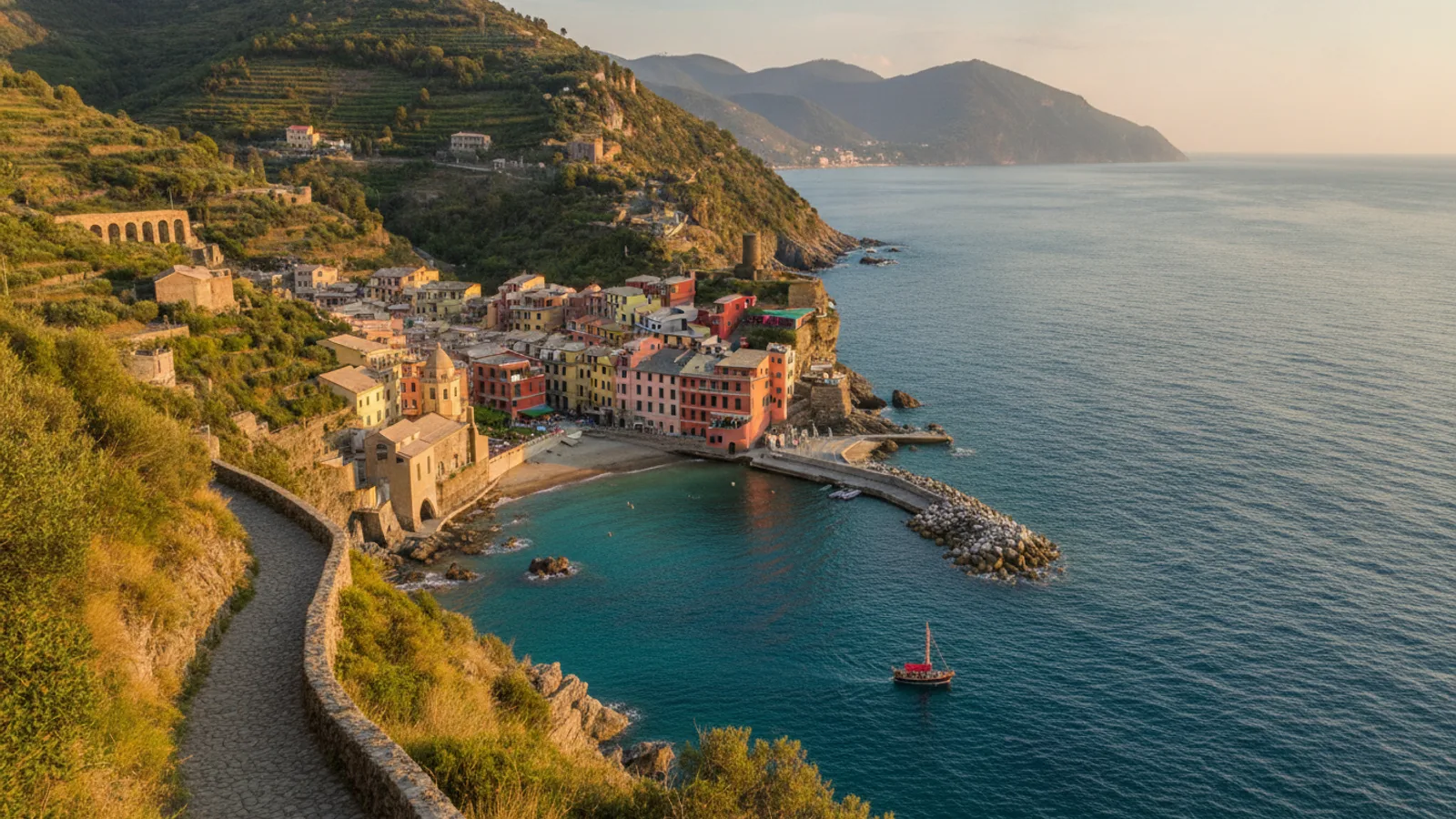
For breathtaking vistas and a romantic atmosphere, the Amalfi Coast is unmatched. This stretch of southern Italian coastline features pastel-colored villages clinging precariously to steep cliffs that plunge into the turquoise Tyrrhenian Sea. Towns like Positano, Amalfi, and Ravello offer postcard-perfect views at every turn. It's an ideal choice for honeymoons, anniversaries, or any trip focused on scenic beauty and relaxation. The experience comes at a premium price, and navigating the narrow, winding coastal road can be a challenge, but the sheer beauty of the landscape makes it an unforgettable destination.
Pros
- Some of the world's most stunning coastal scenery
- Charming, luxurious, and romantic atmosphere
- Excellent seafood and local specialties like limoncello
- Great for boating, hiking, and beach relaxation
Cons
- Very expensive, especially for accommodation
- Difficult to navigate by car; public transport is crowded
- Extremely popular, leading to significant crowds
Florence
As the cradle of the Renaissance, Florence is a paradise for lovers of art, history, and architecture. Home to masterpieces like Michelangelo's David and Botticelli's The Birth of Venus, the city's Uffizi Gallery and Galleria dell'Accademia are essential stops. The entire historic center is a UNESCO World Heritage site, with the iconic Duomo dominating the skyline. Beyond the museums, Florence offers a fantastic culinary scene rooted in Tuscan tradition and is a hub for high-quality leather goods. Its compact, walkable center makes it easy to explore, though it's wise to book museum tickets far in advance to avoid long lines.
Pros
- Unrivaled collection of Renaissance art and architecture
- Compact and highly walkable city center
- Gateway to the beautiful Tuscan countryside
- World-renowned for its cuisine and wine
Cons
- Museums and top sights can have very long queues
- Can feel crowded, particularly in the summer months
Bologna
For those who travel with their stomachs, Bologna is the undisputed champion. As the capital of the Emilia-Romagna region—the heartland of products like Parmigiano Reggiano, Prosciutto di Parma, and balsamic vinegar—Bologna offers an unparalleled culinary journey. It's the home of tagliatelle al ragù (the original bolognese) and mortadella. The city itself is a historic gem, with its signature porticoes, leaning towers, and one of the oldest universities in the world. It delivers a more authentic, less tourist-saturated experience than the "big three" cities, often at a more reasonable price point, making it a fantastic choice for discerning travelers.
Pros
- Considered by many to be Italy's culinary capital
- Beautiful historic center with unique architecture
- Less crowded and more affordable than other major cities
- Central location makes it a great base for exploring northern Italy
Cons
- Fewer world-famous "must-see" landmarks
- Can be hot and humid in the summer
Venice
There is nowhere else on earth quite like Venice. Built on more than 100 small islands in a lagoon, this city of canals, gondolas, and stunning palazzos is a marvel of engineering and a feast for the eyes. Getting lost in its labyrinth of car-free streets and alleyways is part of the magic. While it faces challenges from overtourism and can be expensive, a well-planned trip reveals a city with a mysterious, romantic, and utterly unique atmosphere. For a truly singular experience, from gliding under the Rialto Bridge to exploring the grandeur of St. Mark's Square, Venice remains an essential Italian destination.
Pros
- Completely unique city with no cars
- Incredibly romantic and atmospheric
- Beautiful architecture and art at every turn
- Fun to explore by foot and water bus (vaporetto)
Cons
- Can be overwhelmingly crowded, especially during peak season
- One of the most expensive cities in Italy
- Navigating with luggage can be difficult (many bridges with steps)
Buying Guide: How to Choose the Best Place to Go in Italy
Selecting the right Italian destination depends entirely on your personal travel style, interests, and budget. Italy's diversity is its greatest strength, but it can also make choosing difficult. Consider these key factors to find the perfect spot for your 2026 trip.
Consider Your Travel Style
Are you a history enthusiast, a foodie, a nature lover, or someone seeking relaxation? Your primary motivation should guide your choice.
- For History & Sightseeing: Rome is the undisputed king. Florence is a close second, focusing on the Renaissance. For something different, consider Pompeii and Herculaneum near the Amalfi Coast.
- For Romance & Scenery: The Amalfi Coast, Cinque Terre, and the Lake District (Como, Garda) are top contenders. Venice also offers a uniquely romantic atmosphere.
- For Food & Wine: Bologna and the Emilia-Romagna region are the pinnacle for culinary travel. Tuscany (surrounding Florence) is world-famous for its wine, and Sicily offers a unique fusion of cuisines.
- For Relaxation & Beaches: Besides the Amalfi Coast, consider the islands of Sardinia and Sicily for some of Europe's best beaches, or the less-crowded region of Puglia.
When to Go
The time of year dramatically affects your experience in Italy in terms of weather, crowds, and price.
- Peak Season (June-August): Expect hot weather, the largest crowds, and the highest prices. This is the best time for beach holidays but can be overwhelming in major cities.
- Shoulder Season (April-May, September-October): This is often considered the ideal time to visit. The weather is pleasant, crowds are more manageable, and prices for flights and accommodation are lower than in summer.
- Off-Season (November-March): You'll find the fewest crowds and lowest prices. The weather will be cool or cold, especially in the north, and some attractions or coastal businesses may have reduced hours or be closed. However, it's a great time to enjoy museums and the cozy atmosphere of cities.
Budget and Trip Duration
Your budget will significantly influence your choice. Destinations like the Amalfi Coast and Venice are notoriously expensive, while southern regions like Puglia or cities like Bologna offer better value. For a first trip of about 7-10 days, focusing on one or two major cities (like a Rome-Florence-Venice itinerary) is a popular and effective approach. If you have more time, you can explore a region more deeply, such as Tuscany or Sicily.
Transportation Logistics
Italy's high-speed train network (Frecciarossa, Italo) is excellent and makes travel between major cities like Rome, Florence, Bologna, and Venice fast and easy. If your itinerary involves these cities, a car is unnecessary and a hindrance. However, to explore rural areas like the Tuscan countryside or the Dolomites, renting a car is almost essential. For the Amalfi Coast, relying on ferries and buses is often a better (though crowded) option than driving the narrow, congested coastal road.
Final Verdict: Best Places To Go In Italy
After a thorough comparison of Italy's most compelling destinations, Rome stands out as the best overall choice for 2026. Its unmatched combination of historic grandeur, cultural depth, and culinary delight provides a comprehensive and unforgettable Italian experience. It's a city that delivers on its legendary reputation, making it the perfect starting point for first-time visitors and a place with enough layers to warrant endless return trips.
While Rome is our top pick, the best destination for you depends on your priorities. If your dream is to wake up to spectacular sea views, the Amalfi Coast is worth the splurge. For an immersive dive into Renaissance masterpieces, nothing beats Florence. By aligning your travel style with the unique character of each location, you're sure to have an incredible Italian adventure.
Best Places To Go In Italy 2026 FAQ
How many days are enough for a first trip to Italy?
For a first trip, we recommend at least 10 to 14 days. This allows you to visit three major destinations, like Rome (3-4 days), Florence (2-3 days), and Venice (2 days), without feeling excessively rushed, and includes travel time between them. If you have only one week, it's best to focus on just one or two cities to avoid spending too much time in transit.
Is it better to travel by train or car in Italy?
It depends on your itinerary. For travel between major cities (Rome, Florence, Venice, Milan, Bologna, Naples), the high-speed train system is superior. It's fast, efficient, and drops you in the city center. A car is a liability in these cities. However, if you plan to explore rural regions like Tuscany, Umbria, or the Dolomites, renting a car is the best way to access small towns and enjoy the scenery at your own pace.
What is the best month to visit Italy?
The best months to visit Italy are typically May and September. During these shoulder season months, you'll experience pleasant, warm weather perfect for sightseeing, fewer crowds than in the summer peak, and more reasonable prices for flights and accommodation. April and October are also excellent choices.
Is Italy an expensive country to visit?
Italy can be as expensive or as affordable as you make it. Major tourist centers like Venice, the Amalfi Coast, and central Rome can be very pricey for hotels and restaurants. However, you can travel on a budget by staying in less central neighborhoods, eating at trattorias and pizzerias instead of upscale ristorantes, and visiting during the shoulder or off-season. Cities like Bologna and Naples, and regions like Puglia and Sicily, generally offer better value for money.