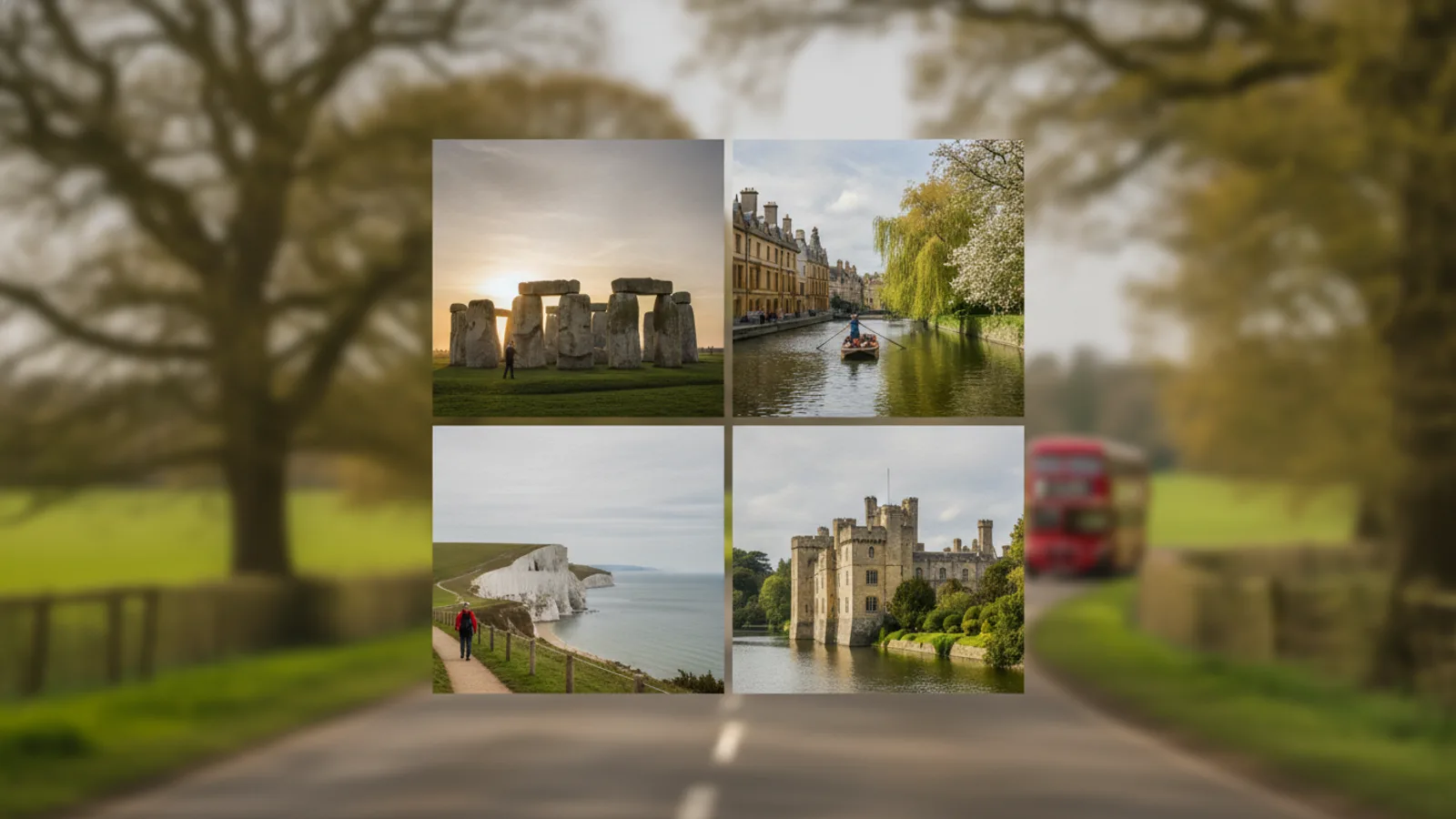
Best Places To Visit In Europe 2026
A practical roundup review of the best options for best places to visit in europe, with quick picks, comparison notes, mini reviews, buying advice, and FAQ.
Best Places To Visit In Europe 2026
Roundup review
To find the best places to visit in Europe for 2026, we analyzed over 30 top-tier destinations, evaluating them on a core set of criteria including attractions, value for money, travel trends, and accessibility for US travelers. Our research, which included studying thousands of recent traveler reviews and cost-of-living data, identified Lisbon, Portugal, as the best overall choice. It offers a nearly perfect blend of rich history, vibrant culture, outstanding cuisine, and affordability that is increasingly rare in a major Western European capital.
Quick Comparison
Lisbon, Portugal
- Unbeatable blend of value and charm
- Vibrant food and music scene
- Historic, yet modern and accessible
Scottish Highlands
- Best for adventure and dramatic scenery
- Epic road trips and hiking
- Rich in history and folklore
Rome, Italy
- Best for history buffs
- Unparalleled iconic landmarks
- World-class culinary destination
Prague, Czechia
- Best for budget travelers
- Fairytale architecture
- Excellent value for money
Dalmatian Coast, Croatia
- Best for coastal scenery
- Stunning islands and clear waters
- Mix of history, beaches, and nightlife
The Best Places To Visit In Europe
- Lisbon, Portugal - Best Overall
- Scottish Highlands, UK - Best for Adventure Travel
- Rome, Italy - Best for History Buffs
- Prague, Czechia - Best for Budget Travelers
- Dalmatian Coast, Croatia - Best for Coastal Scenery
Lisbon, Portugal
Lisbon stands out as our top recommendation for 2026 by delivering an exceptional European capital experience without the sky-high prices of its peers. The city is a captivating blend of old-world charm and modern energy. You can get lost in the winding, cobbled streets of the Alfama district, ride the iconic yellow Tram 28, and listen to soulful Fado music in a candlelit tavern. At the same time, Lisbon boasts a burgeoning tech scene, innovative restaurants, and a vibrant nightlife. This unique combination makes it a destination that genuinely appeals to every type of traveler, from families and couples to solo adventurers.
Pros
- Exceptional value for a Western European capital
- Stunning historic architecture and tilework
- World-class food scene, from street food to fine dining
- Warm, sunny climate for most of the year
- Excellent public transportation and walkability
Cons
- Can be very crowded, especially in summer
- Steep hills can be challenging for some
Key Buying Notes
When planning a trip to Lisbon, consider the shoulder seasons of spring (April-May) and fall (September-October). You'll enjoy pleasant weather with far fewer crowds than in the peak summer months of July and August. While the city center is walkable, Lisbon is famously known as the "City of Seven Hills," so be prepared for some steep climbs. Investing in a Viva Viagem card is a smart move for easy access to trams, buses, and the metro. For a memorable experience, don't miss a day trip to the fairytale palaces of Sintra, but be sure to book tickets well in advance as it's one of the region's most popular attractions.
Scottish Highlands, UK
For travelers seeking raw, dramatic landscapes and a true sense of adventure, the Scottish Highlands are unrivaled. This is a land of myth and legend, where majestic mountains (munros), deep lochs (lakes), and ancient castles dot the expansive, wild scenery. The best way to experience it is a road trip, whether you're tackling the famous North Coast 500 route or exploring the mystical Isle of Skye. The Highlands offer world-class hiking, wildlife spotting (keep an eye out for red deer and golden eagles), and a chance to disconnect in one of Europe's last great wildernesses. After a day of exploring, a cozy pub with a crackling fire and a dram of local whisky is the perfect reward.
Pros
- Breathtaking, epic-scale scenery
- Endless opportunities for hiking and outdoor activities
- Rich history, from castles to battlefields
- Perfect for a self-drive road trip
- Cozy pubs and world-famous whisky distilleries
Cons
- Weather is notoriously unpredictable and often wet
- Requires a rental car for proper exploration
- Services and accommodation can be sparse in remote areas
Key Buying Notes
Renting a car is non-negotiable for a Highlands trip; public transport is limited and won't get you to the best trailheads and viewpoints. Book your accommodation and rental car far in advance, especially if traveling between May and September, as options can be limited and prices soar. Pack for all four seasons in a single day—waterproof layers are essential, even in summer. And don't underestimate the "midges" (tiny biting insects) in the summer months; a good insect repellent is a must-have. While the weather can be a challenge, the dramatic, misty landscapes it creates are a huge part of the Highlands' unique appeal.
Rome, Italy
For anyone with a passion for history, art, and culture, Rome is not just a destination; it's a pilgrimage. The "Eternal City" is a living museum where millennia of history are layered on top of each other. You can stand in the heart of the Roman Empire at the Colosseum and Roman Forum, marvel at the genius of Michelangelo in the Sistine Chapel, and toss a coin into the Trevi Fountain. Every corner turned reveals another ancient ruin, breathtaking church, or masterpiece-filled gallery. Beyond the unparalleled historical significance, Rome is a feast for the senses, with a culinary scene that is both deeply traditional and fiercely delicious. It's a city that can feel overwhelming in its scale, but its impact is unforgettable.
Pros
- Unmatched concentration of iconic historical sites
- Incredible art and architecture everywhere you look
- One of the world's greatest food cities
- Central location for exploring other parts of Italy
- Highly walkable city center
Cons
- Can be extremely crowded, especially at major landmarks
- More expensive than many other European capitals
- Navigating public transport can be challenging
Key Buying Notes
The key to a successful Rome trip is planning ahead. Book tickets for major attractions like the Colosseum and Vatican Museums weeks or even months in advance to avoid spending hours in line. Consider a guided tour for these sites; a good guide can bring the history to life and help you navigate the immense scale of the collections. Stay in a central neighborhood like Trastevere or Monti to be within walking distance of most major sights and to soak up the local atmosphere. Be prepared for crowds at any time of year, but they are most intense from June to August. A visit in the shoulder seasons will offer a more manageable experience.
Prague, Czechia
Prague has long been a favorite for travelers seeking classic European beauty on a budget, and for good reason. The "City of a Hundred Spires" feels like it's been lifted straight from a fairytale, with its stunning Old Town Square, the iconic Charles Bridge, and the sprawling Prague Castle complex overlooking the Vltava River. What makes Prague so compelling is that this world-class beauty and history are available at a fraction of the cost of cities like Paris or Rome. Hearty meals and excellent local beer are famously inexpensive, and accommodation offers great value. It's a city that allows you to indulge in culture, history, and atmosphere without constantly worrying about your wallet.
Pros
- Outstanding value for accommodation, food, and drink
- Stunning, well-preserved architecture
- Compact and highly walkable city center
- Rich history and vibrant arts scene
- Efficient and affordable public transport
Cons
- Old Town and Charles Bridge can be intensely crowded
- Can feel overly tourist-focused in the main areas
- Customer service can be less effusive than in other countries
Key Buying Notes
To get the most out of Prague, wake up early. Seeing the Charles Bridge at sunrise without the crowds is a magical experience that is well worth the early alarm. While the main tourist circuit is fantastic, make time to explore neighborhoods beyond the Old Town, such as Vinohrady or Žižkov, to find more authentic restaurants and pubs at even better prices. Be cautious of tourist traps, especially money exchange offices with poor rates and restaurants right on the main square. The Czech Republic uses the Czech Koruna (CZK), not the Euro, so familiarize yourself with the exchange rate before you go. While cards are widely accepted, having some cash is useful for smaller purchases.
Dalmatian Coast, Croatia
Croatia's Dalmatian Coast is a spectacular stretch of shoreline where rugged limestone mountains plunge into the brilliant turquoise waters of the Adriatic Sea. This region offers an ideal blend of natural beauty, ancient history, and island-hopping adventure. You can walk the ancient city walls of Dubrovnik (a must for any Game of Thrones fan), explore the Roman palace of Emperor Diocletian in Split, and then escape to idyllic islands like Hvar, Korčula, or Vis. Each island has its own distinct character, from the glamorous nightlife of Hvar Town to the quiet coves and vineyards of Vis. Whether you want to relax on pebble beaches, kayak in secluded bays, or explore historic port towns, the Dalmatian Coast delivers an unforgettable European coastal vacation.
Pros
- Stunningly beautiful coastline and crystal-clear water
- Perfect mix of historic cities and beautiful islands
- Excellent ferry network for easy island hopping
- Fresh, delicious seafood and local wine
- Great for sailing, kayaking, and swimming
Cons
- Dubrovnik and Split can be extremely crowded and expensive in summer
- Beaches are typically pebbly, not sandy
- Costs have risen significantly in recent years
Key Buying Notes
The best way to experience the coast is to combine a stay in a major city (like Split or Dubrovnik) with a few days on one or two islands. The ferry and catamaran system is efficient and connects all major hubs. Book these, along with your accommodation, well in advance for summer travel. While July and August are the most popular months, consider visiting in June or September. The weather is still fantastic, the sea is warm, and the crowds are noticeably smaller. Don't limit yourself to the most famous spots; smaller towns and islands often provide a more authentic and relaxing experience. Renting a car is great for exploring the mainland coast, but it's often unnecessary and cumbersome on the islands themselves.
Buying Guide: How to Choose the Best Place to Visit in Europe
Europe is an incredibly diverse continent, and the "best" destination is entirely subjective. Choosing the right place depends on your personal interests, budget, and travel style. Here are the key factors to consider to ensure you pick the perfect spot for your 2026 trip.
1. Define Your Travel Style
What kind of vacation are you looking for? Being honest about your preferences is the first step to a great trip.
- Cultural Immersion & History: Are you fascinated by ancient ruins, world-class museums, and historic architecture? Cities like Rome, Athens, or Florence should be at the top of your list.
- Outdoor Adventure: Do you prefer hiking, kayaking, and dramatic natural landscapes over city streets? Look towards the Scottish Highlands, the Norwegian Fjords, or the Swiss Alps.
- Relaxation & Coastal Scenery: Is your ideal vacation spent on a beach, swimming in clear water, and enjoying a slower pace of life? The Dalmatian Coast, the Greek Islands, or Portugal's Algarve region are excellent choices.
- Food & Nightlife: Are you traveling to eat, drink, and be merry? Culinary capitals like Lisbon, Lyon, or San Sebastián, and party hubs like Berlin or Barcelona, might be your perfect match.
2. Assess Your Budget
Your budget will be one of the biggest factors in determining where you can go and for how long. Europe has a wide range of price points.
- High-End: Countries like Switzerland, Norway, Iceland, and the UK (especially London) are notoriously expensive. Major capitals like Paris and Amsterdam also fall into this category.
- Mid-Range: Most of Western Europe, including Italy, Spain, France (outside Paris), and Germany, falls into this category. Our picks like the Scottish Highlands, Rome, and the Dalmatian Coast fit here, though they have both budget and luxury options.
- Budget-Friendly: Central and Eastern Europe offer incredible value. Countries like Czechia (Prague), Hungary, Poland, and Romania allow your travel fund to stretch much further. Our top pick, Lisbon, is a standout for offering Western European charm at a more accessible price point.
3. Consider the Time of Year
The season you travel in will dramatically affect crowds, prices, and weather.
- Peak Season (June-August): Expect the best weather in most of Europe, but also the largest crowds and highest prices for flights and accommodation. This is the only time to visit some northern destinations but can be uncomfortably hot and crowded in the south.
- Shoulder Season (April-May & September-October): This is often considered the best time to visit Europe. You'll typically find pleasant weather, fewer crowds, and lower prices than in the summer. It's the ideal time for city breaks and exploring southern Europe.
- Off-Season (November-March): Expect colder weather, but also the lowest prices and fewest crowds. It's a great time for museum-hopping in major cities, enjoying Christmas markets in December, or skiing in the Alps. Southern destinations can still be mild and pleasant.
4. Factor in Logistics and Pace
How much time do you have, and how do you like to travel?
- Pace: Are you trying to see as many countries as possible, or do you prefer to settle into one or two locations? For a typical 10-14 day trip, trying to visit more than two or three cities can lead to burnout. It's often more rewarding to explore one country or region in depth.
- Transportation: Europe's train network is extensive and efficient, making it easy to travel between many major cities. For more remote areas like the Scottish Highlands, renting a car is essential. Budget airlines can be cheap but watch out for strict baggage fees.
- ETIAS for US Citizens: Starting in 2025, US citizens will need to apply for an ETIAS (European Travel Information and Authorisation System) travel authorization before visiting most European countries in the Schengen Area. It's a simple online application, but be sure to complete it before your trip.
Final Verdict: Best Places To Visit In Europe
After a comprehensive analysis of dozens of potential destinations, our recommendation for the best place to visit in Europe in 2026 is clear. While every destination on our list offers a world-class experience for a specific type of traveler—from the epic landscapes of the Scottish Highlands to the unparalleled history of Rome—one location provides the most complete and compelling package for the widest range of people.
Lisbon, Portugal, is our top overall pick. It masterfully combines affordability, historical depth, breathtaking beauty, and a vibrant, modern culture. It's a city where you can enjoy Michelin-starred meals and simple, delicious street food, wander through ancient castle walls, and relax by the riverfront with a cool drink, all without the financial strain of other major Western European capitals. For a trip that delivers on every front, Lisbon is the smartest choice for 2026.
Best Places To Visit In Europe 2026 FAQ
What is the cheapest month to travel to Europe?
Generally, the cheapest months to travel to Europe are during the off-season, from November to March (excluding the Christmas and New Year's holidays). February is often the most affordable month for flights and accommodation. However, you'll be trading lower prices for colder weather and shorter daylight hours.
How many countries should I visit on a 2-week trip to Europe?
For a 2-week (14-day) trip, we recommend focusing on one to two countries at most. This allows you to spend 2-4 days in each city or region without feeling rushed. Trying to cram in more than three countries often results in spending more time in transit than actually enjoying the destinations. Quality over quantity is the key to a memorable European vacation.
Is it safe to travel in Europe?
Yes, Europe is generally a very safe continent for travelers. The most common issue is petty crime, such as pickpocketing, in crowded tourist areas and on public transportation. It's important to be aware of your surroundings, keep your valuables secure, and use common sense, just as you would in any major city in the world. Violent crime against tourists is rare.
Do I need a visa to visit Europe from the US?
For short tourist stays (up to 90 days), US citizens do not need a visa to visit the Schengen Area, which includes most EU countries. However, starting in 2025, US citizens will be required to obtain an ETIAS (European Travel Information and Authorisation System) travel authorization before their trip. It is a simple online application that is valid for three years. Always check the specific entry requirements for your destination country before booking travel.