Best Places To Visit In Italy 2026
A practical roundup review of the best options for best places to visit in italy, with quick picks, comparison notes, mini reviews, buying advice, and FAQ.
Best Places To Visit In Italy 2026
Roundup review
To find the best places to visit in Italy for 2026, we analyzed over 25 iconic and emerging destinations. Our evaluation focused on key traveler criteria: cultural significance, quality of attractions, culinary scene, accessibility, and overall value. We cross-referenced our findings with thousands of recent visitor reviews and regional travel data. For its unparalleled blend of history, vibrant culture, and logistical convenience for first-time and returning visitors alike, Rome stands out as our top overall recommendation.
Quick Comparison
Rome
- Unmatched historical sites
- Incredible food culture
- Excellent for first-timers
Amalfi Coast
- Breathtaking cliffside scenery
- Charming luxury towns
- Ideal for couples
Florence
- Heart of the Renaissance
- World-class museums
- Completely walkable center
Tuscany
- Iconic rolling landscapes
- Exceptional local wineries
- Authentic agriturismo stays
The Dolomites
- Stunning alpine peaks
- Year-round outdoor activities
- Unique Tyrolean culture
The Best Places To Visit In Italy
- Rome - Best Overall
- Amalfi Coast - Best for Romance & Scenery
- Florence - Best for Art & Culture
- Tuscany - Best for Food & Wine
- The Dolomites - Best for Unique Experiences & Adventure
Rome
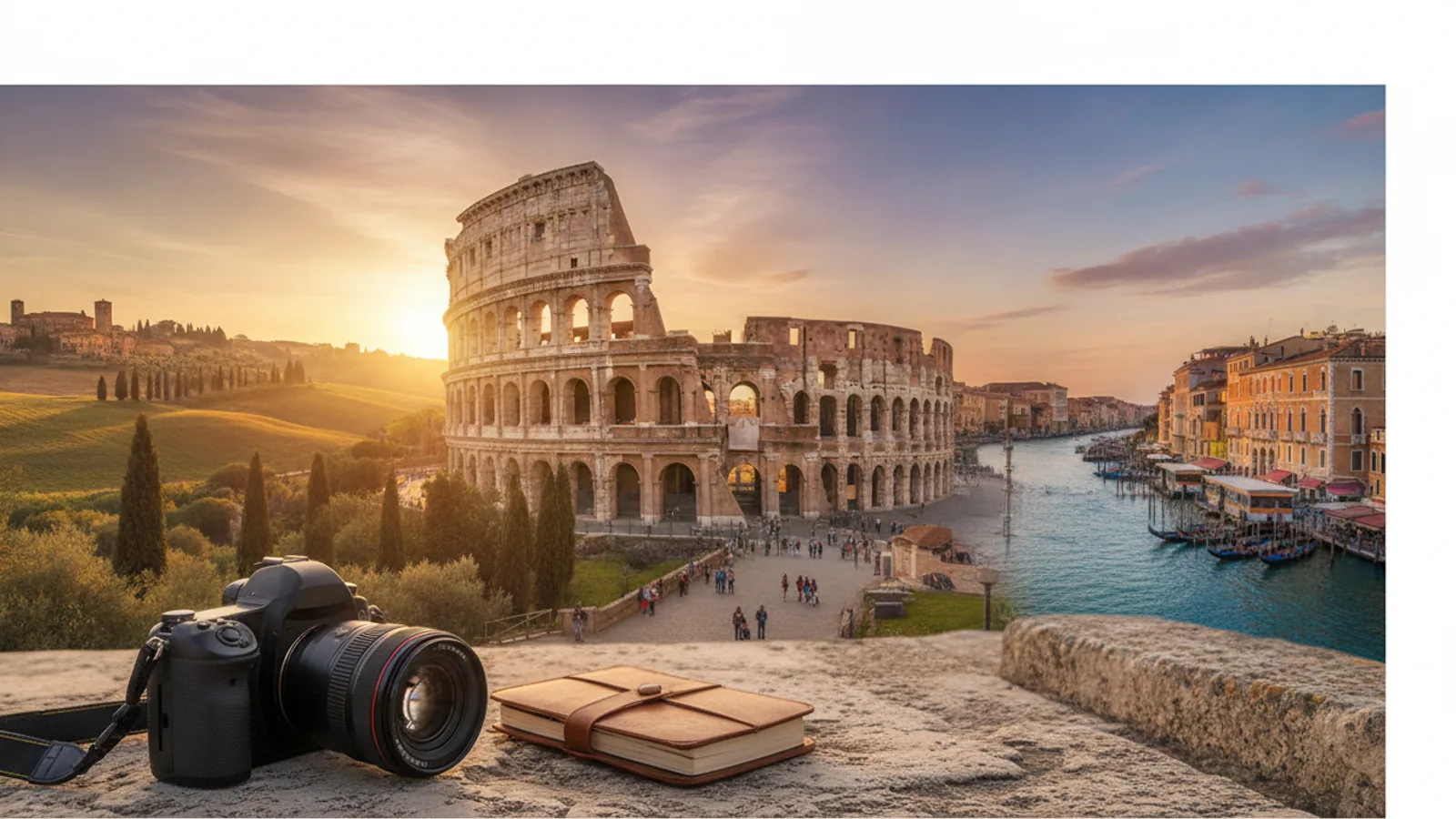
The Eternal City is our top pick for a reason. Rome offers an almost overwhelming concentration of history, art, and culinary delights that appeals to nearly every type of traveler. From the staggering scale of the Colosseum to the spiritual grandeur of Vatican City, Rome delivers iconic, bucket-list experiences at every turn. It serves as the perfect introduction to Italy for first-time visitors while still holding endless secrets for seasoned travelers to uncover. Its excellent transport links make it a practical and powerful anchor for any Italian itinerary.
Pros
- Unrivaled density of world-famous historical sites
- Exceptional food scene, from street food to fine dining
- Highly walkable central areas (Centro Storico, Trastevere)
- Major international travel hub with easy connections
Cons
- Can be extremely crowded, especially in peak season
- Popular attractions require booking far in advance
- Navigating public transport can be challenging at times
Amalfi Coast
For sheer, jaw-dropping beauty, few places on earth can compete with the Amalfi Coast. This dramatic stretch of coastline is a postcard come to life, with pastel-colored villages clinging to sheer cliffs that plunge into the turquoise Tyrrhenian Sea. It's the quintessential destination for a romantic getaway, honeymoon, or luxury escape. While destinations like Positano and Amalfi are the stars, the region offers boat trips to Capri, historical exploration in Ravello, and incredible coastal hikes. The experience is less about ticking off museums and more about soaking in the glamorous atmosphere and world-class views.
Pros
- Some of the most spectacular coastal scenery in the world
- Perfect for luxury travel, boutique hotels, and fine dining
- Enchanting towns like Positano, Amalfi, and Ravello to explore
- Excellent boat tours and access to the island of Capri
Cons
- Among the most expensive destinations in Italy
- Extremely crowded and difficult to navigate by car in summer
- Requires more complex travel logistics (train + bus/ferry)
Florence
As the cradle of the Renaissance, Florence is an open-air museum and an absolute paradise for art and history lovers. Home to masterpieces like Michelangelo's David and Botticelli's Birth of Venus, its cultural treasures are simply unparalleled. The entire city center is a UNESCO World Heritage site, and its compact, walkable layout makes it incredibly easy to explore. You can spend days wandering from the Uffizi Gallery to the Ponte Vecchio, climbing Brunelleschi's Dome for panoramic views, and still feel like you've only scratched the surface. It's a city that rewards curiosity and a slower pace.
Pros
- Home to an incredible concentration of Renaissance art and architecture
- Extremely walkable city center, no car needed
- Serves as a fantastic base for exploring Tuscany
- Vibrant food markets and excellent Tuscan cuisine
Cons
- Museums and top sights can have very long queues
- Can feel intensely crowded, particularly around major landmarks
- Accommodation in the historic center is expensive
Tuscany
When you picture the Italian countryside, you're likely picturing Tuscany. This region is a feast for the senses, defined by its rolling hills, cypress-lined lanes, and medieval hilltop towns. While Florence is its capital, the true Tuscan experience lies outside the city. It's a destination for foodies and wine lovers who want to slow down and indulge. Renting a car is almost essential here, allowing you to explore the vineyards of Chianti, the medieval squares of Siena, and the thermal baths of Saturnia at your own pace. Staying in a traditional farmhouse or "agriturismo" offers an authentic and unforgettable taste of Italian life.
Pros
- World-renowned for its wine, olive oil, and rustic cuisine
- Stunningly beautiful, iconic landscapes
- Countless charming medieval towns and villages to discover
- Offers a more relaxed pace of travel than major cities
Cons
- A rental car is necessary to explore the region properly
- Driving on narrow, winding roads can be intimidating
- Popular towns can still get very busy during tourist season
The Dolomites
For an Italian experience that shatters stereotypes, head to the Dolomites in the north. This stunning mountain range in the Alps offers a dramatic departure from the sun-soaked south. With its jagged peaks, emerald-green lakes, and charming villages that blend Italian and Austrian culture, it's a haven for outdoor enthusiasts. In the summer, it's a world-class destination for hiking, climbing, and cycling. In the winter, it transforms into a premier ski resort. The unique Ladin culture and hearty mountain cuisine provide a cultural experience you won't find anywhere else in Italy, making it a perfect choice for active travelers and those looking to get off the beaten path.
Pros
- Spectacular, unique alpine scenery
- Exceptional opportunities for hiking, skiing, and other outdoor sports
- Fascinating blend of Italian, Austrian, and Ladin cultures
- Generally less crowded than Italy's major tourist cities
Cons
- Weather can be unpredictable, even in summer
- Requires a car for the most flexibility and access
- Less focused on the classical art and history found elsewhere
Buying Guide: How to Choose the Best Places to Visit in Italy
Italy offers an incredible diversity of experiences, and the "best" place for you depends entirely on your travel style, interests, and priorities. This guide will help you narrow down your options and plan the perfect trip.
Consider Your Travel Style
The first step is to identify what kind of traveler you are. Your ideal destination will change based on your answer.
- The Historian: If your goal is to immerse yourself in ancient history and Renaissance art, you cannot beat the trifecta of Rome, Florence, and Venice. These cities are packed with world-class museums, archaeological sites, and iconic architecture.
- The Foodie: While all of Italy has great food, some regions are true culinary pilgrimages. For wine and rustic farmhouse cooking, Tuscany is king. For pizza, head to its birthplace in Naples. For rich pastas and cured meats, Emilia-Romagna (home to Bologna and Parma) is a must.
- The Adventurer: If you prefer hiking boots to museum slippers, look north to the Dolomites for unparalleled hiking and winter sports. The island of Sicily also offers dramatic landscapes, including hiking on Mount Etna, Europe's most active volcano.
- The Romantic: For a couples' trip, the breathtaking beauty of the Amalfi Coast is hard to surpass. The charming cliffside villages and luxury hotels are tailor-made for romance. Alternatively, the quieter canals of Venice or the stunning vistas of Lake Como offer equally magical settings.
- The Beach Lover: While the Amalfi Coast has beaches, for pure sun-and-sand relaxation, consider Sardinia or Puglia. These southern regions boast some of Italy's most beautiful coastlines, with crystal-clear water and a more laid-back vibe.
Time of Year Matters
Your experience in Italy can vary dramatically depending on when you go.
- Peak Season (June-August): Expect hot weather, the largest crowds, and the highest prices. This is the best time for beach holidays and mountain hiking, but be prepared to book everything far in advance.
- Shoulder Seasons (April-May & September-October): This is widely considered the best time to visit Italy. The weather is pleasant, the crowds are smaller (though still significant in popular spots), and prices for flights and accommodation are more reasonable. The countryside is also at its most beautiful in the spring and fall.
- Off-Season (November-March): You'll find the fewest crowds and lowest prices. Major cities like Rome and Florence are still wonderful to visit, with a more local feel. However, the weather can be cold and rainy, and many hotels and restaurants in coastal and rural areas may be closed. This is the prime season for skiing in the Dolomites.
Logistics and Pace of Travel
Think realistically about how much you can see and how you want to get around.
- Transportation: Italy has an excellent high-speed train network connecting major cities like Rome, Florence, Venice, and Milan. For city-to-city travel, the train is almost always the best option. However, to explore rural areas like Tuscany or the Dolomites, renting a car is essential for freedom and flexibility.
- Itinerary Pace: It's tempting to try and see everything in one trip, but this often leads to a rushed and stressful experience. A common mistake is packing too many destinations into a short time. For a 10-day trip, focusing on two or three key locations (e.g., Rome, Florence, and a few days in Tuscany) is far more enjoyable than trying to sprint through five cities. Give yourself at least 3-4 nights in major cities to truly appreciate them.
Budget Considerations
Italy can be visited on a wide range of budgets, but costs vary significantly by region.
- High-End: Destinations like the Amalfi Coast, Lake Como, Venice, and central Milan are known for luxury hotels and high-end dining, making them some of the most expensive areas.
- Mid-Range: Major cities like Rome and Florence offer a wide spectrum of options, from budget hostels to luxury suites. With careful planning, they can be enjoyed without breaking the bank.
- Value-Oriented: Southern regions like Puglia and Sicily, as well as the central region of Umbria (often called "the green heart of Italy"), generally offer better value for money in terms of accommodation and food.
Final Verdict: Best Places To Visit In Italy
After a comprehensive review of Italy's most compelling destinations, Rome stands out as the best place to visit for the majority of travelers in 2026. Its unmatched historical significance, vibrant street life, and world-class culinary scene provide a complete and deeply satisfying Italian experience. It's accessible, offers something for every interest, and serves as a perfect starting point for any trip.
However, the best destination is always a personal choice. If your heart is set on breathtaking natural beauty and romance, the Amalfi Coast is the clear winner. For an unparalleled immersion in Renaissance art, Florence is essential. For those who travel for food and wine amid idyllic landscapes, nothing compares to Tuscany. And for an active, adventurous trip unlike any other in Italy, the Dolomites await. Use our guide to match your travel style to the right destination for a truly unforgettable journey.
Best Places To Visit In Italy 2026 FAQ
When is the absolute best time to visit Italy?
For the best balance of pleasant weather, manageable crowds, and reasonable prices, the shoulder seasons of mid-April to May and mid-September to October are ideal. Spring offers blooming landscapes, while fall brings harvest festivals and beautiful foliage.
How many days do I need for a first trip to Italy?
We recommend a minimum of 10 days for a first visit. This allows you to comfortably explore two or three major destinations (like Rome, Florence, and Venice) without feeling excessively rushed. If you have two weeks, you can add a region like Tuscany or the Amalfi Coast for a more varied experience.
Is Italy an expensive country to visit?
It can be, but it doesn't have to be. Your budget will depend heavily on where you go and your travel style. Luxury destinations like the Amalfi Coast are very expensive. Major cities like Rome have options for all budgets. You can save money by eating at trattorias away from the main tourist squares, using public transportation, and visiting during the shoulder or off-seasons.
Is it easy to get around Italy without a car?
For travel between major cities, yes. Italy's high-speed train system (Frecciarossa, Italo) is fast, efficient, and connects all the main hubs. You absolutely do not need or want a car within cities like Rome, Florence, or Venice. However, to explore the countryside in regions like Tuscany, Sicily, or the Dolomites, a rental car is highly recommended for flexibility.