Best Places To Visit In Switzerland 2026
A practical roundup review of the best options for best places to visit in switzerland, with quick picks, comparison notes, mini reviews, buying advice, and FAQ.
Best Places To Visit In Switzerland 2026
Roundup review
To identify the best places to visit in Switzerland for 2026, we analyzed over two dozen popular destinations. Our evaluation is based on a comprehensive review of professional travel guides, thousands of recent visitor reviews, and data on factors like accessibility, range of activities, and scenic value. After careful consideration, we recommend the Interlaken & Jungfrau Region as the best overall destination for its unparalleled combination of breathtaking alpine scenery, diverse activities, and excellent tourist infrastructure.
Quick Comparison
Interlaken
- Unbeatable alpine scenery
- Adventure sports capital
- Superb transport network
Zurich
- Vibrant cultural scene
- High-end shopping & dining
- Pristine lake & river swimming
Zermatt
- Home of the Matterhorn
- Charming car-free village
- World-class hiking & skiing
Lucerne
- Beautiful medieval Old Town
- Stunning lake backdrop
- Central & accessible location
Lugano
- Unique Mediterranean vibe
- Italian-inspired culture
- Gorgeous mountain-fringed lake
The Best Places To Visit In Switzerland
- Interlaken & Jungfrau Region - Best overall
- Zurich - Best for Luxury & City Life
- Zermatt - Best for Iconic Scenery & Romance
- Lucerne - Best for History & Culture
- Lugano - Best for Lakeside Relaxation & Italian Flair
How We Chose the Best Places to Visit in Switzerland
Our recommendations are the result of extensive research, not a single trip. We started by identifying over 25 of Switzerland's most popular and highly-rated destinations. For each location, our team analyzed data from multiple sources, including professional travel publications, Swiss tourism board statistics, and thousands of real-world traveler reviews from the past 24 months. We synthesized this information to score each destination across four key criteria: Scenery & Natural Beauty, Activities & Attractions, Accessibility & Transport, and Accommodation & Dining. Our goal is to provide clear, practical guidance that reflects the real options travelers face, helping you choose the perfect Swiss destination for your specific needs and interests. We are a commercially transparent publication and may earn a commission if you book through our links, but our analysis and recommendations are independent and evidence-led.
The Best Places to Visit in Switzerland
Interlaken & The Jungfrau Region
The Jungfrau Region is the Switzerland you've seen in postcards, and Interlaken is its gateway. This area is our top pick because it delivers the quintessential Swiss Alps experience with unmatched accessibility and a staggering variety of activities. From the "Top of Europe" at Jungfraujoch to the charming car-free villages of Wengen and Mürren, the region offers something for every type of traveler. Whether you're an adrenaline junkie looking to paraglide over turquoise lakes or a family seeking gentle hikes with panoramic views, you'll find it here. The world-class network of trains, cable cars, and funiculars makes exploring the dramatic landscapes effortless.
Pros
- Iconic Eiger, Mönch, and Jungfrau mountain views
- Vast network of hiking and biking trails for all levels
- Europe's premier hub for adventure sports
- Extremely efficient and scenic public transportation
Cons
- Can be very crowded, especially in peak summer
- Interlaken town itself is more of a hub than a destination
- Mountain excursions are exceptionally expensive
Key travel notes
While Interlaken is the main transport hub, consider staying in one of the smaller mountain villages like Grindelwald, Wengen, or Lauterbrunnen for a more authentic and scenic experience. The Jungfrau Travel Pass can offer significant savings on the extensive network of mountain transport if you plan to explore for three or more days. Book high-demand activities and the Jungfraujoch train journey well in advance, particularly for travel between June and August.
Zurich
Often mistaken for the capital, Zurich is Switzerland's economic powerhouse and a city that masterfully blends urban sophistication with natural beauty. It's the ideal choice for travelers who want world-class museums, high-end shopping along the Bahnhofstrasse, and a vibrant dining scene, all within steps of a crystal-clear lake perfect for a summer swim. The impeccably preserved Old Town (Altstadt) offers charming cobblestone streets and historic guild halls, while the former industrial district of Zürich-West is now a trendy hub for art and design. With its excellent international airport and status as a major rail hub, Zurich is also an incredibly convenient starting or ending point for a Swiss vacation.
Pros
- Excellent art museums, including the Kunsthaus and Rietberg
- Clean, beautiful lake and river for swimming and boating
- Top-tier shopping, restaurants, and nightlife
- Major international transport hub
Cons
- One of the most expensive cities in the world
- Lacks the dramatic, high-alpine scenery of other regions
- Can feel more business-focused than other tourist towns
Key travel notes
The Zürich Card can be a good value, offering unlimited public transport and free or reduced admission to most museums. Don't miss the chance to swim in the lake at one of the city's many "badis" (public baths) in the summer. For a great view without a long journey, take the train up to Uetliberg, Zurich's local mountain, for a panorama of the city, lake, and distant Alps.
Zermatt
There is no view in Switzerland—or perhaps the world—more iconic than the Matterhorn. Zermatt, the car-free village nestled at its base, is the ultimate destination for mountain lovers, photographers, and romantics. The absence of combustion-engine cars preserves a unique sense of tranquility, replaced by the quiet hum of electric taxis and the clatter of horse-drawn carriages. In summer, it's a hiker's paradise with hundreds of miles of trails offering constant, breathtaking views of the pyramid-shaped peak. In winter, it transforms into a world-class ski resort with reliable snow and vast terrain. The journey up to the Gornergrat by cogwheel railway provides a panorama of 29 peaks over 4,000 meters, a truly unforgettable experience.
Pros
- Unrivaled, dramatic views of the Matterhorn
- Charming and quiet car-free village atmosphere
- Extensive, high-altitude hiking and skiing
- Excellent mountain gastronomy in rustic huts
Cons
- Extremely popular, leading to high prices and crowds
- The Matterhorn can be shrouded in clouds
- More remote and time-consuming to reach than other destinations
Key travel notes
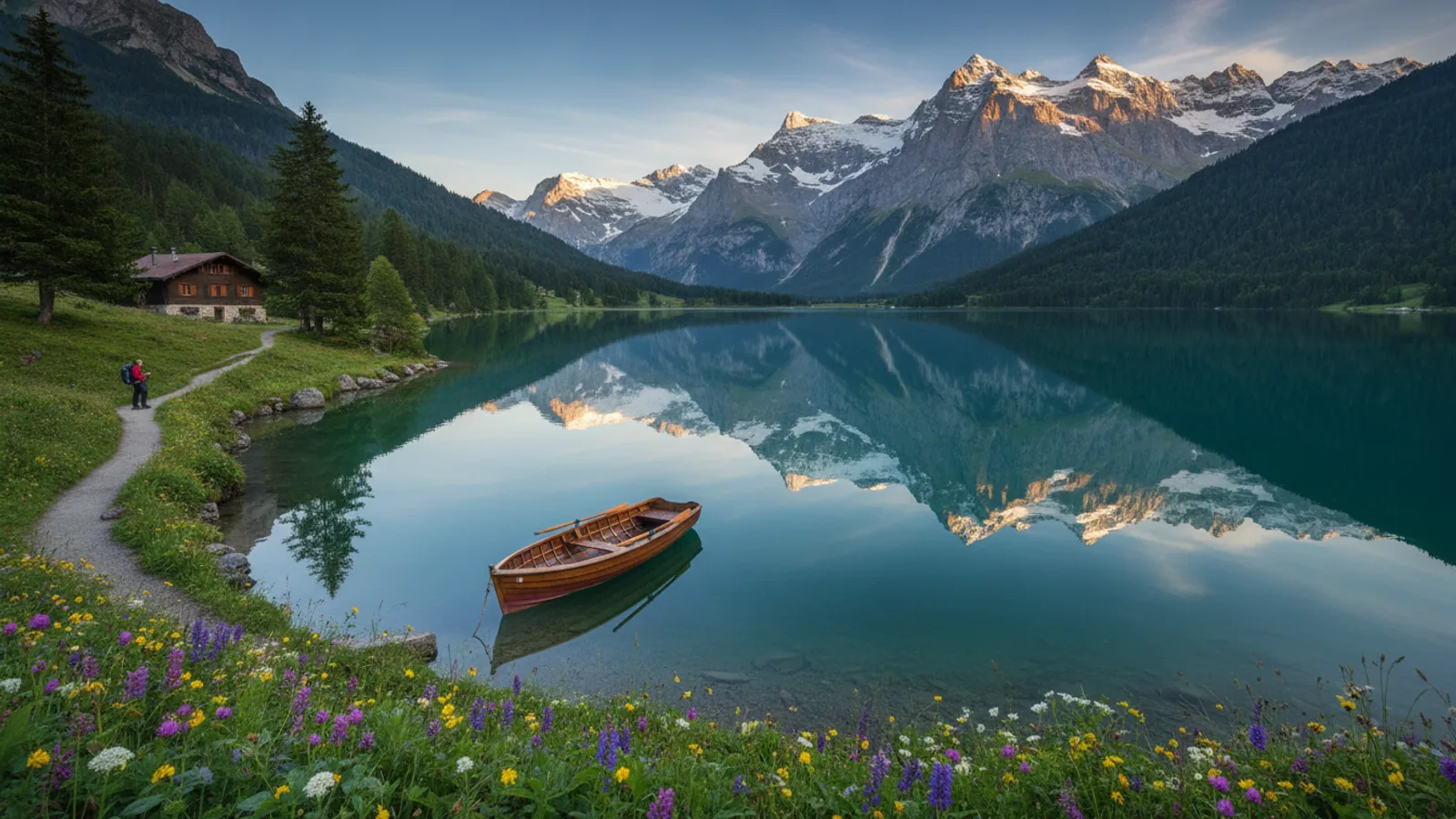
Zermatt is car-free; you must park in the nearby town of Täsch and take a 12-minute shuttle train. Book accommodation far in advance, especially if you have specific Matterhorn-view rooms in mind. The Peak Pass is the best value for visitors wanting to use multiple mountain lifts. For a classic photo, hike to the Riffelsee or Stellisee lakes, where you can capture the Matterhorn's reflection on a clear, calm day.
Lucerne
Lucerne is the storybook heart of Switzerland. Set on the shores of its namesake lake and framed by Mounts Pilatus and Rigi, the city offers a perfect blend of historical charm and stunning natural surroundings. The centerpiece is the Chapel Bridge (Kapellbrücke), a covered wooden footbridge dating back to the 14th century, but the entire Old Town is a joy to explore with its frescoed buildings and narrow alleyways. Lucerne is also a cultural hub, home to the impressive Swiss Museum of Transport and the KKL arts center, renowned for its acoustics. Its central location makes it an ideal base for exploring the wider Central Switzerland region, with easy day trips by boat and mountain railway.
Pros
- Incredibly picturesque medieval Old Town
- Beautiful lakeside setting with mountain excursions
- Excellent museums and cultural venues
- Very central location for exploring other parts of Switzerland
Cons
- A major stop for tour groups, which can mean significant crowds
- City attractions can be seen relatively quickly
- Weather can be overcast and rainy
Key travel notes
A boat trip on Lake Lucerne is a must-do. The classic excursion combines a boat ride with a trip up Mount Rigi on Europe's oldest cogwheel railway for spectacular 360-degree views. Don't miss the poignant Lion Monument, carved into a rock face to commemorate Swiss Guards who died during the French Revolution. The city is very walkable, so there's little need for public transport within the center.
Lugano & The Ticino Region
For a completely different side of Switzerland, head south to the Italian-speaking canton of Ticino. With its palm-lined promenades, sparkling blue lake, and mild climate, Lugano feels more Mediterranean than Alpine. It's the perfect destination for travelers seeking a slower pace, delicious Italian-inspired cuisine, and sun-drenched relaxation. You can spend your days strolling through beautiful parks like the Parco Ciani, taking a boat to the quaint fishing village of Gandria, or riding a funicular up Monte San Salvatore for panoramic views. The region offers a unique cultural blend, combining Swiss efficiency with Italian "la dolce vita," making it a refreshing contrast to the German- and French-speaking parts of the country.
Pros
- Unique blend of Swiss and Italian cultures
- Warm, sunny climate ideal for lakeside activities
- Excellent regional cuisine and wines
- Less crowded than the major German-speaking destinations
Cons
- Lacks the iconic, snow-capped peaks of the Bernese Oberland
- Can get very hot and humid in mid-summer
- Further from the main international airports of Zurich and Geneva
Key travel notes
The Ticino Ticket, free to anyone staying in a hotel, holiday apartment, or campsite in the region, offers free public transport and discounts on mountain railways and attractions. Consider a day trip to the charming nearby towns of Bellinzona, famous for its three UNESCO-listed castles, or Locarno on Lake Maggiore. Lugano is known for its "grottos," rustic restaurants often located in scenic spots, serving traditional Ticinese dishes.
Buying Guide: How to Choose the Best Place to Visit in Switzerland
Choosing the right Swiss destination depends entirely on your travel style, budget, and interests. Here are the key factors to consider to ensure you pick the perfect spot for your 2026 trip.
Define Your Ideal "Vibe"
What kind of vacation are you looking for? Your answer will quickly narrow down the options.
- High-Alpine Adventure: If your dream is to be surrounded by towering, snow-capped peaks, hiking epic trails, and riding cable cars to stunning viewpoints, focus on the Jungfrau Region or Zermatt. These are the quintessential Swiss Alps destinations.
- Urban Culture & Convenience: If you prefer museums, fine dining, shopping, and easy access to an international airport, a city like Zurich or Geneva is your best bet. They offer a wealth of cultural attractions with nature just a short train ride away.
- Historic Charm & Scenery: For a blend of medieval history, beautiful architecture, and a stunning lake-and-mountain setting, Lucerne is hard to beat. It offers a compact, walkable center and serves as a great base for exploring.
- Relaxed Lakeside Lounging: If you want to slow down, enjoy a warmer climate, and savor a unique cultural blend, the Italian-speaking canton of Ticino, with Lugano as its hub, is the perfect choice.
Consider the Best Time to Visit
Switzerland is a year-round destination, but the experience changes dramatically with the seasons.
- Summer (June-August): This is peak season. The weather is warm, all hiking trails and mountain passes are open, and the days are long. It's ideal for hiking, swimming, and outdoor activities. However, it's also the most crowded and expensive time.
- Winter (December-March): The Alps are a winter wonderland, perfect for skiing, snowboarding, and enjoying cozy villages. Cities host charming Christmas markets in December. Many higher-elevation hiking trails will be closed.
- Shoulder Seasons (April-May, September-October): These months can offer the best of both worlds: fewer crowds, lower prices, and pleasant weather. Spring brings blooming wildflowers, while autumn offers spectacular fall foliage. Be aware that some mountain lifts and hotels may close for a short period between seasons.
Plan Your Transportation
Switzerland's public transportation system is one of the best in the world. For most travelers, a car is unnecessary and often inconvenient, especially in mountain areas and cities with limited parking.
- Swiss Travel Pass: This all-in-one pass offers unlimited travel on trains, buses, and boats across the country, plus free entry to over 500 museums. It also provides a 50% discount on most mountain excursions (with a 25% discount on the Jungfraujoch). It's an excellent value if you plan to travel extensively.
- Regional Passes: If you're staying in one area for several days (like the Jungfrau Region), a regional pass can be more cost-effective. These offer unlimited travel on local transport and mountain lifts within a specific zone.
Budgeting for Your Trip
There's no sugarcoating it: Switzerland is one of the most expensive countries in the world. However, there are ways to manage costs.
- Accommodation: Book well in advance for the best prices and selection. Consider staying just outside of major tourist centers for better value.
- Food: Restaurant meals are pricey. Save money by taking advantage of hotel breakfasts, having picnics for lunch (supermarkets like Coop and Migros have excellent selections), and looking for fixed-price lunch menus.
- Activities: Prioritize your "must-do" splurges, like the Jungfraujoch or Schilthorn excursions, and balance them with free activities like hiking or exploring a city's Old Town.
Final Verdict: Best Places To Visit In Switzerland
After a thorough analysis of Switzerland's top destinations, the Interlaken & Jungfrau Region stands out as the best overall choice for 2026. It delivers the most complete and iconic Swiss experience, offering world-class scenery, an incredible range of activities for all interests and fitness levels, and a transportation network that makes it all remarkably accessible. While it can be busy and expensive, the sheer magnificence and variety of the region make it a worthy investment for most first-time or returning visitors.
However, the "best" place is ultimately personal. If your priority is the singular, dramatic beauty of the Matterhorn, head to Zermatt. For a trip centered on history and culture with a gorgeous lakeside backdrop, Lucerne is a perfect fit. For those seeking sophisticated city life, Zurich excels, and for a taste of the Mediterranean, Lugano offers a unique and relaxing escape. By matching your travel style to the distinct character of each location, you're sure to have an unforgettable Swiss adventure.
Best Places To Visit In Switzerland 2026 FAQ
How many days are enough for Switzerland?
For a first trip, 7 to 10 days is a good amount of time to get a real feel for the country. This allows you to visit two or three different regions (e.g., the Jungfrau Region, Lucerne, and Zermatt) without feeling too rushed. If you have less time, focus on just one or two regions to minimize travel time.
Is the Swiss Travel Pass worth it?
The Swiss Travel Pass is generally worth it if you plan to travel between cities and use public transport frequently. Its value lies in convenience and flexibility. It covers trains, buses, boats, public transport in over 90 cities, and gives free access to 500+ museums. While you can buy point-to-point tickets, the pass often saves money and hassle if your itinerary is packed. Do a rough calculation of your planned journeys to be sure.
What is the best month to visit Switzerland?
June and September are often considered the best months. You'll enjoy pleasant summer weather and long days, but with fewer crowds and slightly lower prices than the peak months of July and August. For winter sports, February and early March offer the best combination of reliable snow and sunny days.
Is Switzerland expensive for tourists?
Yes, Switzerland is one of the most expensive countries in Europe for tourists. Accommodation, dining out, and mountain excursions are particularly costly. Budget-conscious travelers can save money by staying in apartments with kitchens, buying groceries from supermarkets like Coop or Migros for lunches, and focusing on free activities like hiking. Drinking tap water (which is excellent) instead of buying bottled water also helps save.